
Subscriptions & Buying5 min read
What Drives an IPTV Subscription Price? How to Read the Numbers
Two IPTV subscriptions can differ in price by a wide margin for good reasons — or bad ones. Here is how to understand what you are paying for.
By CatchON TV Team
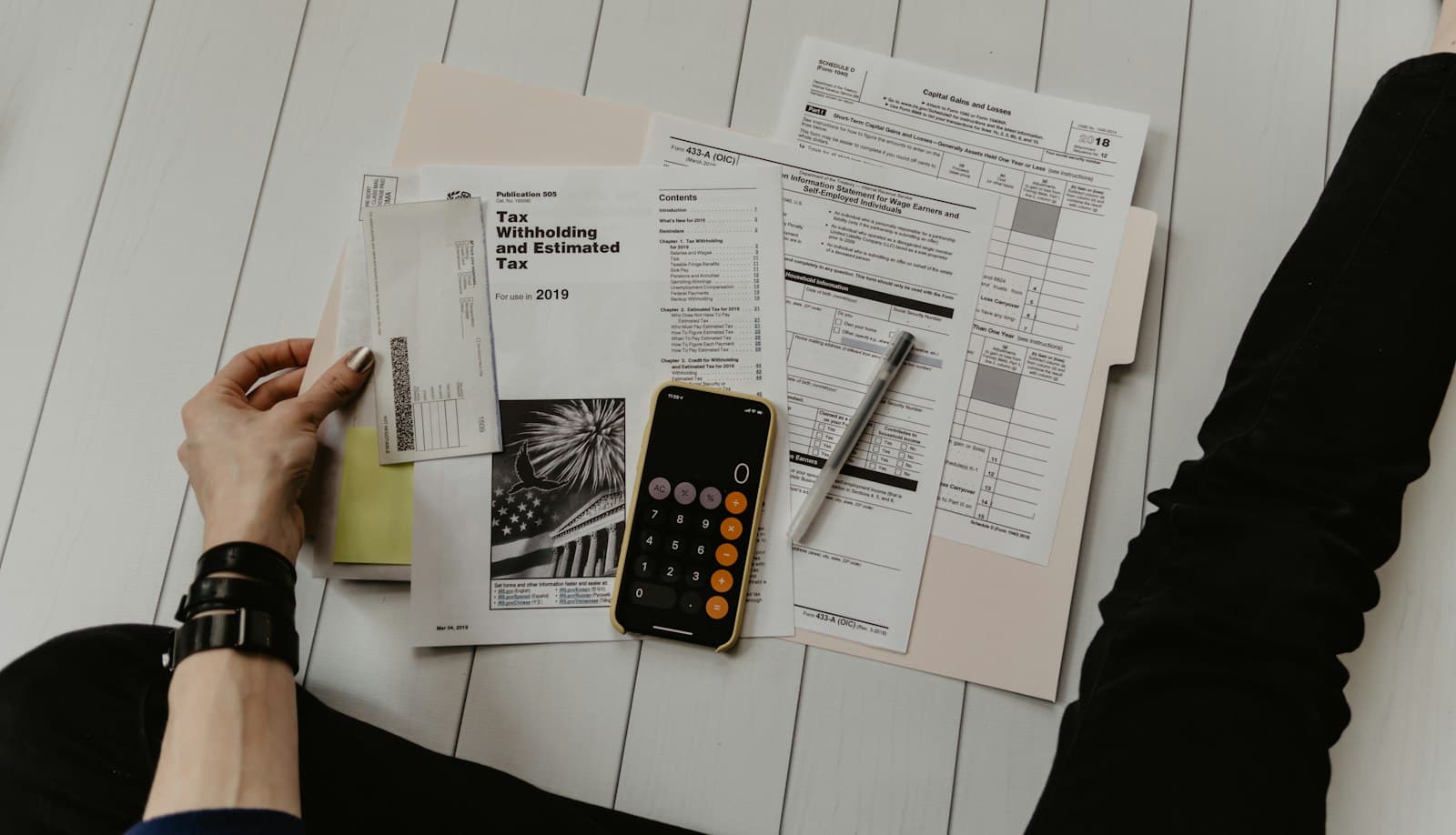
IPTV subscription prices vary widely. Some offers look astonishingly cheap; others cost several times as much for what appears to be a similar service. Price differences can reflect genuine differences in what you get — or they can hide compromises you only discover later.
This guide explains what drives an IPTV subscription price, how to compare prices fairly and when a low price should make you look more closely. We use CatchON TV's published prices as examples because they are the only prices we can quote with certainty.
The two numbers every price depends on
Almost every IPTV subscription price is defined by two variables:
- The number of simultaneous devices
- The length of the subscription
Change either and the price changes. That is why headline prices — usually the cheapest one-device, one-month option — rarely tell you what your household will actually pay.
How devices affect price
More simultaneous devices mean more capacity reserved for your account, so prices rise with each device. But they usually rise less than proportionally. At CatchON TV, one device for 12 months is $79.99 and three devices for 12 months is $149.99 — less than three times the single-device price.
How duration affects price
Longer plans usually cost less per month. At CatchON TV, one device costs $19.99 for one month, $59.99 for six months, $79.99 for twelve months and $139.99 for twenty-four months. The monthly equivalent falls from $19.99 to about $5.83 as the duration increases. The trade-off is paying more upfront and committing for longer.
What the price pays for behind the scenes
A provider's costs — and therefore reasonable prices — reflect work you do not see:
- Delivery capacity so streams hold up at busy times
- Guide data matched and maintained for each channel
- Account management — activations, renewals, connection limits
- Support staff to answer questions and fix problems
- Monitoring to spot and resolve failing channels
A provider that spends little on these can charge less. You may feel the difference on a busy evening or when you need help.
Comparing prices fairly
Follow three rules:
- Compare the same plan. Devices × duration must match.
- Convert to per device per month. Total price ÷ devices ÷ months.
- Include all costs. Add-on connections, renewal prices after an introductory period and any paid player features you would need.
| Example (CatchON TV) | Total | Per device per month |
|---|---|---|
| 1 device, 1 month | $19.99 | $19.99 |
| 1 device, 12 months | $79.99 | ≈ $6.67 |
| 2 devices, 12 months | $119.99 | ≈ $5.00 |
| 4 devices, 12 months | $189.99 | ≈ $3.96 |
| 5 devices, 24 months | $359.99 | ≈ $3.00 |
Our guide to building a fair provider shortlist shows how to put these numbers into a comparison worksheet.
Costs that are not in the subscription price
- The player app. Some players are free; others have optional paid features, purchased from the app developer.
- Devices. A streaming stick or box if your TV lacks a suitable app.
- Internet. A faster or uncapped plan if your current one cannot keep up.
Our guide to provider subscriptions versus app purchases explains the separation between service and app costs.
When is cheap too cheap?
A low price is not automatically a problem. But be cautious when a very low price comes with other warning signs:
- Absolute promises such as zero buffering or every channel
- No way to contact anyone before paying
- No published terms or refund information
- Pressure tactics such as permanent countdown timers
- Prices that change depending on who asks
If the price is far below comparable services and several of these signs are present, the savings may be illusory.
When is expensive not worth it?
High prices are not proof of quality either. A premium price should come with evidence: realistic claims, clear onboarding, responsive support and consistent performance. Our guide to what a premium IPTV service should deliver lists what to look for.
Prices, currencies and where you live
CatchON TV lists prices in US dollars. For viewers in the United States, that is the price you compare. Viewers elsewhere — for example in Canada or the United Kingdom — should also consider: Buyers in the US can use our pre-payment checklist for American subscribers.
- Exchange rates, which change the local-currency cost from month to month
- Bank or card fees for payments in a foreign currency
- Local taxes or charges, depending on the payment route
None of these change the provider's listed price, but they can change what you actually pay. If you are comparing a USD-priced plan with one priced in your local currency, convert using the rate you would really get, including any fees. Our regional guides to IPTV in Canada and IPTV in the UK cover these considerations for each market.
Questions to ask about price before paying
- Is this the total price for the plan, or are there add-ons?
- Does the price change at renewal?
- How many simultaneous devices does it cover?
- Are there any fees for my payment method?
- What happens if I need to change my plan during the subscription?
Clear, consistent answers are themselves a sign of a transparent provider.
Budgeting for the year
For an annual view, multiply what you would actually pay over twelve months. A household paying monthly for two devices at CatchON TV would pay $25.99 × 12 ≈ $311.88 over a year, compared with $119.99 for the two-device 12-month plan. That difference is why many households move to longer plans once they are confident.
Questions about IPTV subscription prices
Why is the one-month IPTV price so much higher per month than the annual price?
Short plans offer flexibility, while longer plans reward commitment with a lower monthly equivalent. You pay more per month for the freedom to stop sooner.
How do I compare IPTV prices between providers fairly?
Compare the same plan — the same number of devices and the same duration — and convert each to a price per device per month, including any add-ons.
Are there costs beyond the IPTV subscription price?
Possibly: optional paid features in a player app, a streaming device if your TV needs one, and a faster or uncapped internet plan if yours cannot keep up.
Is the cheapest IPTV subscription usually the best value?
Not necessarily. Value depends on reliability, support and whether the plan fits your household, not on the lowest headline number.
Price in context
An IPTV subscription price makes sense only in context: the number of devices, the duration, what the provider invests behind the scenes and any extra costs on your side. Compare like with like, calculate per device per month and look past both the cheapest and the most expensive headline numbers. The full CatchON TV price list is on our pricing page.