IPTV Basics5 min read
How to Measure an IPTV Streaming Service's Quality at Home
You do not need lab equipment to judge streaming quality. With a notebook and a few simple tests, you can measure how an IPTV streaming service really performs.
By CatchON TV Team
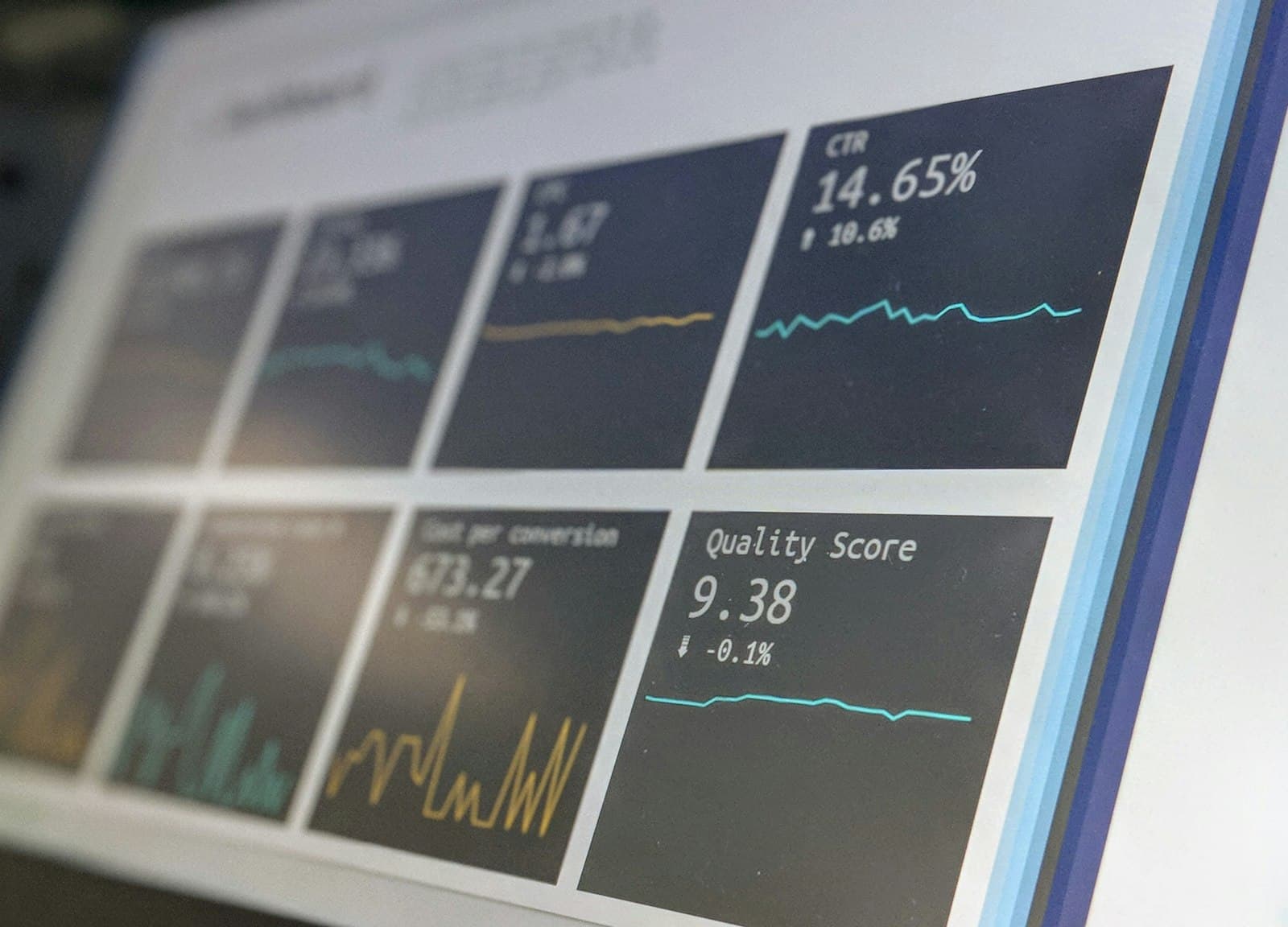
Every IPTV streaming service describes itself as fast, stable and high quality. The only way to know is to measure. You do not need specialist equipment: a phone stopwatch, your player's stream information screen and a simple notebook are enough to turn impressions into evidence.
This guide explains six measurements that capture most of what "streaming quality" means in practice, how to take them and how to interpret the results fairly. It is useful during a first month, when comparing services or when deciding whether a problem is getting worse.
Why measure instead of guess
Impressions are unreliable. One frustrating evening sticks in the memory, while dozens of smooth ones are forgotten. Measurements taken at similar times on the same device give you a fair picture — and something concrete to share with support if there is a problem.
Before you start: control the variables
To test the service rather than your home setup:
- Use the same device and player for every test.
- Prefer a wired connection, or test close to the router.
- Pause large downloads and other streams.
- Test at the times you normally watch, including at least one peak period.
If you have not yet checked your home network, our guide to IPTV streaming at home comes first.
Measurement 1: start-up time
What it is: how long a channel takes to show a moving picture after you select it.
How to measure: select a channel and time until the picture moves. Repeat for ten channels you actually watch.
What good looks like: consistent, short start-up times across channels. Occasional slower starts are normal; consistently slow starts on popular channels are worth reporting.
Measurement 2: channel switching (zapping)
What it is: how quickly you can move from one channel to the next.
How to measure: switch between two channels five times and time each switch.
What good looks like: switching that feels close to start-up time. Player buffer settings also affect this.
Measurement 3: stability over time
What it is: whether playback continues without interruptions over a long session.
How to measure: watch one channel for thirty to sixty minutes and count interruptions. Repeat during a peak period.
What good looks like: uninterrupted viewing in normal conditions, with any interruptions rare and brief.
Measurement 4: resolution
What it is: the actual resolution being delivered.
How to measure: open the player's stream information screen and note the resolution (for example 1920 × 1080 for Full HD, 3840 × 2160 for 4K). Check your device's output too.
What good looks like: resolution consistent with how the channel is described — HD, Full HD, or 4K where available.
Measurement 5: frame rate and motion
What it is: how smoothly motion is shown.
How to measure: check the frame rate in stream information if shown, and watch fast motion such as sport.
What good looks like: smooth motion on sports channels, typically at 50 or 60 frames per second depending on region.
Measurement 6: on-demand playback
What it is: how well films and series start, seek and resume.
How to measure: start a title, skip forward ten minutes, pause, close the player and reopen it.
What good looks like: quick start, responsive seeking and correct resume position.
A simple test log
| Date / time | Channel or title | Start-up (s) | Interruptions | Resolution | Notes |
|---|---|---|---|---|---|
Keep a few rows for quiet times and a few for peak times. Patterns matter more than any single result.
A one-week measurement plan
Measurements are most useful when spread across a normal week:
- Day 1 (quiet time): take start-up and switching measurements for ten channels. This is your baseline.
- Day 2 (evening peak): repeat the same ten channels at your busiest viewing time.
- Day 3: run the long-session stability test on your most-watched channel.
- Day 4: check resolution and frame rate on a few HD, Full HD and 4K-labelled channels.
- Day 5: test on-demand start, seek and resume.
- Weekend: measure during a live event, when demand is highest.
By the end of the week you will know whether the service is consistent, whether peak times differ noticeably from quiet ones and which channels, if any, need reporting. Repeat a smaller version monthly if you want to track changes over time.
Interpreting results fairly
- One slow channel suggests a channel-specific issue — report it.
- Everything slow at peak times could be the service or your internet provider's network; compare with other streaming apps.
- Everything slow all the time points first to your home network or device.
- Good results in one player but not another suggest player settings or differences.
Our guide to who is responsible for each link in the chain helps you decide what to do next.
Sharing measurements with support
Measurements make support conversations faster. A message like "Channel X takes about 12 seconds to start at 8 p.m. on my wired Fire TV, other channels start in 2–3 seconds" gives support something specific to investigate. CatchON TV subscribers can send details to our team via WhatsApp.
What measurements cannot capture
Numbers do not show everything. Guide accuracy, library organisation and support quality matter too, and they are better judged by experience. Use measurements alongside the broader criteria in our guide to what an IPTV service includes.
Questions about measuring IPTV streaming quality
How long should an IPTV channel take to start?
There is no universal figure, but start-up should be consistently quick on the channels you watch. Consistently slow starts on popular channels are worth reporting.
Where can I see the resolution of an IPTV stream?
Many players have a stream or media information screen showing resolution, codec and sometimes frame rate. Your device's display settings show its output resolution.
Should I test IPTV quality over Wi-Fi or a wired connection?
A wired connection removes Wi-Fi as a variable, so it gives a fairer picture of the service itself.
Evidence beats adjectives
Start-up time, switching speed, stability, resolution, frame rate and on-demand playback tell you far more about an IPTV streaming service than any marketing adjective. Measure at your real viewing times, compare patterns and share specifics with support when needed.